
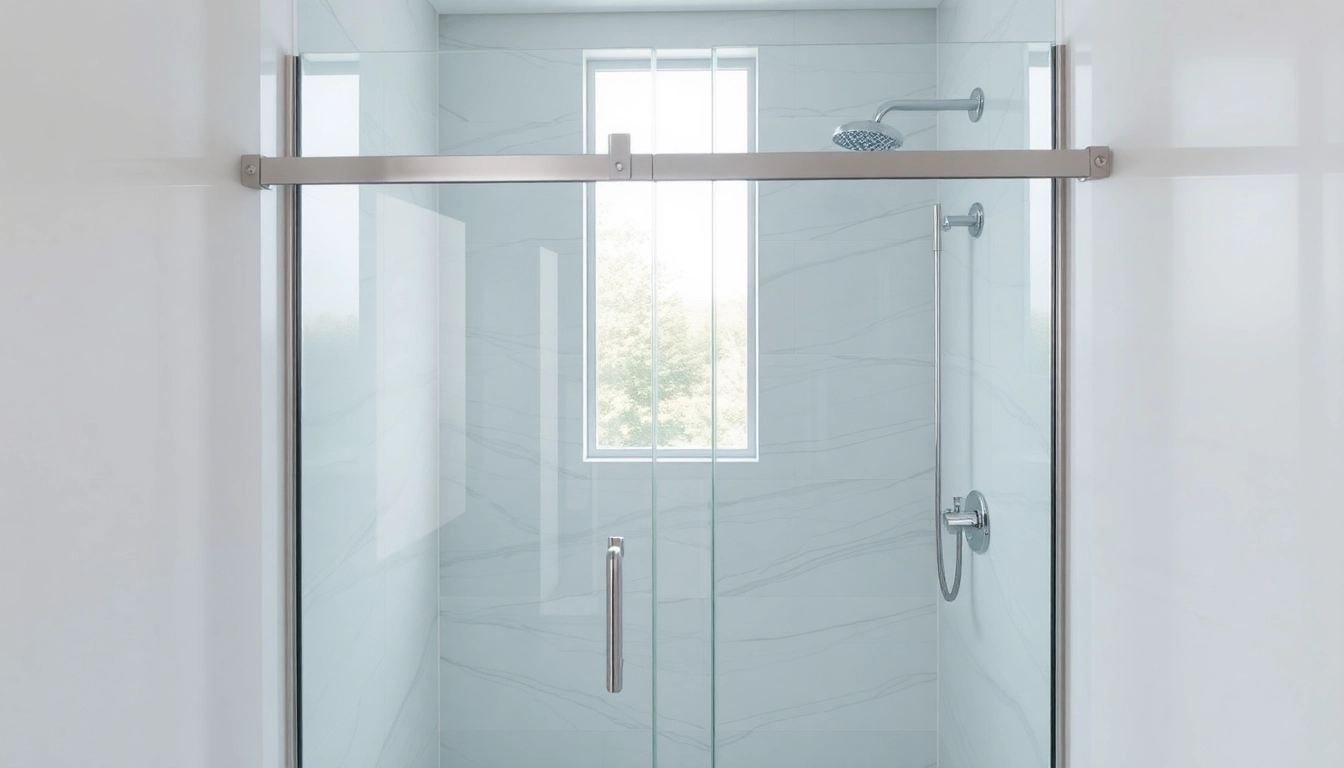

Introduction to Sliding Shower Doors
Sliding shower doors have become an increasingly popular choice for modern bathrooms, offering both functionality and aesthetic appeal. Unlike traditional shower curtains that can look dated and often lead to water splashes outside the shower area, sliding shower doors provide a sleek and seamless barrier, enhancing the overall look of your bathroom while serving a practical purpose. Sliding shower doors are available in various styles, materials, and designs, making them suitable for different bathroom layouts and personal tastes.
What Are Sliding Shower Doors?
Sliding shower doors are an elegant solution designed to enclose the shower space with panels that glide back and forth, typically mounted on rollers and tracks. These doors are ideal for bathrooms where space is limited, as they do not require additional room to swing open like hinged doors. Additionally, the availability of several headerless and framed designs allows for flexibility in installation and accommodates varying aesthetic preferences.
Benefits of Sliding Shower Doors
- Space-Efficient: Perfect for smaller bathrooms, as they do not require clearance for opening.
- Aesthetic Appeal: Available in stylish designs and materials that enhance the look of any bathroom.
- Water Retention: Effectively prevents water from splashing outside the shower area.
- Accessibility: Easy to open and close, making it a convenient choice for all ages.
- Variety of Materials: Options available range from glass to acrylic, allowing customization based on durability and design preferences.
Understanding Different Types of Sliding Shower Doors
When considering sliding shower doors, it’s important to familiarize yourself with the various types available:
- Framed Sliding Doors: These doors feature a metal or plastic frame that adds stability. They are generally more budget-friendly but may not appeal to a minimalist aesthetic.
- Frameless Sliding Doors: Offering a modern look, these doors use heavy tempered glass panels without a frame, providing a more open feel.
- Bypass Doors: Consisting of two or more overlapping panels, bypass doors slide along a track and are often used in shower-tub combinations.
- Corner Shower Doors: Specifically designed for corner installations, these can maximize space and enhance accessibility.
Design Considerations for Sliding Shower Doors
Choosing the right sliding shower doors involves several design considerations that can influence both functionality and your bathroom’s aesthetic. Here are the top factors to consider when making this choice.
Choosing the Right Material for Your Needs
The material of your sliding shower doors contributes significantly to their durability and maintenance. Common materials include:
- Tempered Glass: Known for its strength, tempered glass is a safe option, as it’s designed to shatter into small, less harmful pieces in the event of a break.
- Acrylic: A lightweight alternative to glass, acrylic is typically less expensive and easier to install but may require more frequent cleaning due to scratches.
- Polycarbonate: Though similar to acrylic, polycarbonate is even more resilient. It’s not as attractively transparent but provides excellent durability.
When selecting a material, consider factors like safety, maintenance requirements, and budgetary constraints.
Color and Style: Making Your Bathroom Shine
The style and color of sliding shower doors can complement your existing bathroom décor and set the mood. Choices range from clear to frosted glass finishes, and you can even explore colored glass for a unique twist. The hardware color—chromes, brushed nickel, or oil-rubbed bronze—should also match other fixtures in your bathroom to create a cohesive look. Minimalist frameless options can provide a sleek, modern look, while traditional framed doors may suit classical or vintage-style bathrooms.
Common Design Mistakes to Avoid
Designing your bathroom with sliding shower doors requires careful consideration to avoid common pitfalls:
- Ignoring Measurements: Always double-check the dimensions of your shower space. Incorrect measurements can lead to poor fitting.
- Compromising on Quality: Choosing low-quality materials can result in a shorter lifespan and more maintenance issues down the line.
- Overlooking Ventilation: Proper ventilation in your bathroom is crucial to prevent moisture buildup and mildew, which can damage your doors and overall bathroom.
Installation Guide for Sliding Shower Doors
Proper installation of sliding shower doors is key to achieving a seamless and functional bathroom setup. Below is a comprehensive guide to help you through the installation process.
Preparing Your Space
Before installation, ensure that your shower area is fully prepared:
- Remove any existing doors or curtains.
- Clean and dry the area thoroughly to avoid any water issues during or after installation.
- Inspect the wall surfaces and make any necessary repairs to ensure a smooth installation.
Step-by-Step Installation Process
- Begin by assembling the track system according to the manufacturer’s instructions.
- Secure the top track using anchors and screws, ensuring it is level.
- Attach the bottom rail, ensuring it aligns correctly with the top track.
- Install the rollers on the shower door panels as per guidance.
- Lift each panel onto the tracks and test for smooth operation. Adjust as needed.
- Seal any gaps to prevent water leakage and add finishing trim if desired.
Tools and Materials Needed
To successfully install sliding shower doors, gather the following tools and materials:
- Drill and drill bits
- Screwdriver
- Measuring tape
- Level
- Sealant
- Track and roller systems (as included with the shower door kit)
Maintenance Tips for Sliding Shower Doors
To ensure your sliding shower doors remain in top condition, regular maintenance is crucial. Here are some effective tips to extend their longevity:
Cleaning Techniques for Longevity
Frequent cleaning prevents grime build-up and keeps your shower doors sparkling. Use a mix of vinegar and water or a mild detergent for an effective cleaning solution. Avoid harsh chemicals or abrasive materials that can scratch the glass or ruin the finish of the hardware. A squeegee after each use can also dramatically reduce water spots.
Preventing Water Damage
Water damage can lead to mold growth and structural issues over time. Ensure that your shower area is properly sealed and caulk any joints or seams effectively. Install a water pan or mat to catch overflow water and routinely check for leaks.
When to Call a Professional
If you encounter persistent issues like alignment problems, difficulty in rolling the doors, or significant water leakage, it may be time to consult a professional. Regular check-ups by an expert can help maintain your sliding shower doors and diagnose any potential issues early on.
FAQs About Sliding Shower Doors
How do I measure for sliding shower doors?
To measure for sliding shower doors, measure the width and height of the shower opening. Ensure to account for any track systems.
What are the best materials for sliding shower doors?
Tempered glass is recommended due to its strength, durability, and safety features, as well as being easy to clean.
Can I install sliding shower doors myself?
Yes, but ensure you follow detailed instructions and have the right tools. If unsure, consider hiring a professional.
How do I prevent mildew on my sliding shower doors?
Regular cleaning and ensuring proper ventilation can help avoid mildew buildup on sliding shower doors.
What is the average cost to install sliding shower doors?
The cost varies based on materials and installation complexity but typically ranges from $500 to $1,500.