
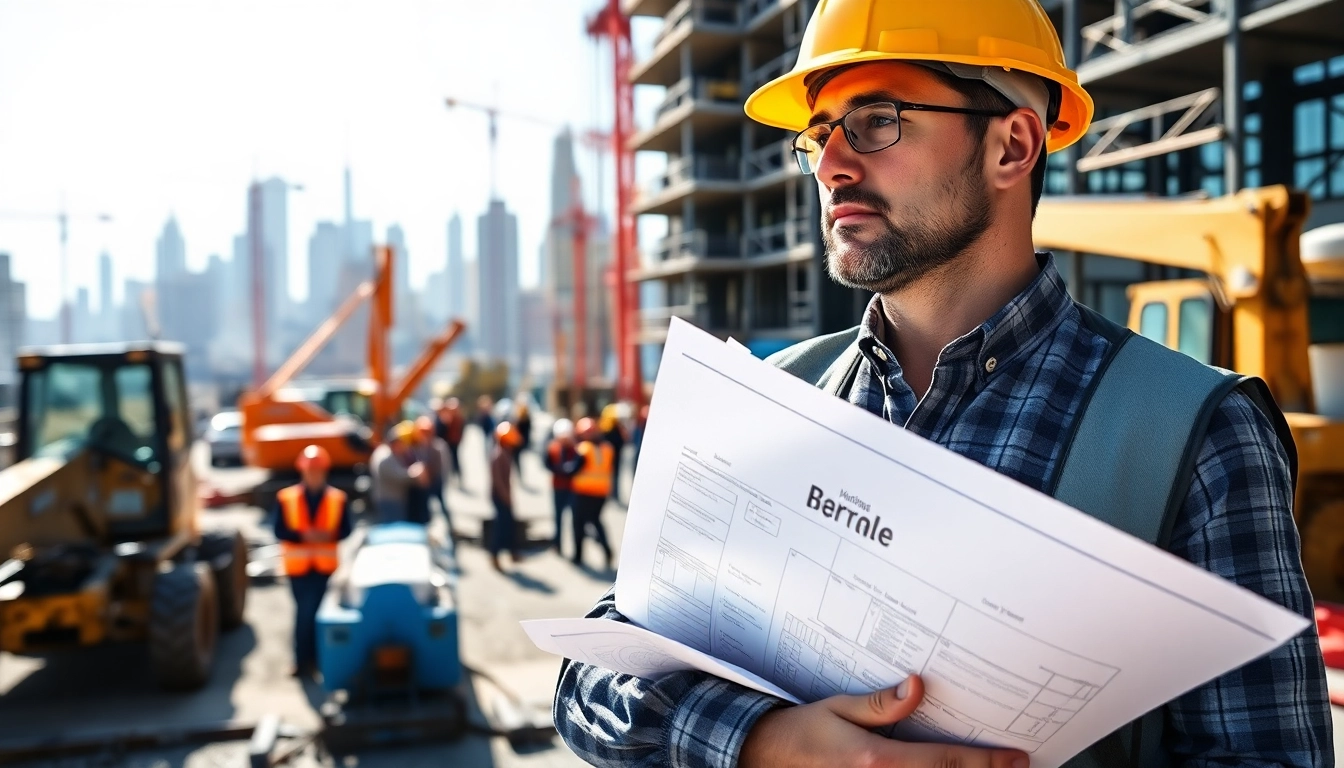

Understanding the Role of a Manhattan Construction Manager
The position of a Manhattan Construction Manager is critical within the urban development landscape. Responsible for leading construction projects from inception to completion, these professionals ensure that every aspect of the building process is meticulously executed. This involves not only the arrangement of resources and personnel but also adherence to safety standards, budget constraints, and project timelines.
Key Responsibilities of a Manhattan Construction Manager
A Manhattan construction manager oversees various phases of the construction process, which includes:
- Project Planning: Development of project outlines, including timelines and strategies for effective execution.
- Budget Management: Monitoring project expenses to avoid overruns and ensure financial viability.
- Team Coordination: Leading a team of subcontractors, architects, and construction workers, ensuring everyone is aligned with the project goals.
- Quality Control: Ensuring that the construction meets all specified quality standards and complies with building codes.
- Reporting: Providing updates to stakeholders regarding project milestones, challenges, and resolutions.
Essential Skills for Effective Management
To excel as a Manhattan construction manager, one must possess a unique blend of skills:
- Leadership: The ability to inspire and motivate a diverse team to achieve common goals.
- Communication: Clear and efficient communication with team members, clients, and stakeholders to ensure that everyone is informed and on the same page.
- Problem-Solving: Quickly identifying problems and developing practical solutions to keep projects on track.
- Technical Knowledge: A deep understanding of construction methods, materials, and regulations is crucial.
- Negotiation: Skills in negotiating contracts and resolving disputes between parties involved in the project.
The Importance of Site Safety Regulations
Safety is a non-negotiable aspect of any construction project. A Manhattan construction manager must enforce safety regulations to mitigate risks. This includes regular safety meetings, training sessions for workers, and compliance checks with local and federal guidelines. By prioritizing safety, the manager not only protects the workforce but also enhances the project’s overall productivity and reduces liability costs.
Best Practices for Project Planning
Effective project planning is the backbone of successful construction management. It sets the stage for a streamlined execution process and ensures that projects are completed on time and within budget.
Creating a Comprehensive Project Timeline
A well-structured project timeline incorporates all phases of the construction project, from pre-construction activities to the final inspection. Utilizing Gantt charts or project management software can help streamline this process, allowing the manager to visualize task dependencies and monitor progress effectively.
Resource Allocation and Budget Management
Proper resource allocation is crucial for executing a project without delays. This involves assigning the right number of workers to various tasks while managing equipment and materials efficiently. Additionally, maintaining an accurate budget with contingency funds ensures that unexpected expenses do not derail the project.
Coordination with Stakeholders
In construction, numerous stakeholders are involved, including clients, architects, and local authorities. Regular engagement with these parties ensures that everyone’s expectations are met and that any issues are addressed promptly, significantly reducing the likelihood of conflicts or misunderstandings down the line.
Tools and Technologies for Construction Management
Today’s construction managers leverage technology to enhance productivity and achieve better project outcomes. Here’s an overview of essential tools and technologies that streamline construction management.
Project Management Software Overview
Many software options are available to facilitate project management. These tools assist with scheduling, budgeting, and communication. Popular platforms often provide features like document sharing, real-time updates, and performance tracking, which empower the Manhattan construction manager to maintain control over the project’s progress.
Embracing Construction Technologies
Innovations such as Building Information Modeling (BIM), drones for site surveys, and prefabrication techniques are revolutionizing the construction industry. These technologies improve accuracy, reduce waste, and expedite the construction process, making it imperative for a Manhattan construction manager to stay updated on industry advancements.
Data Analytics for Performance Measurement
By analyzing data from various projects, construction managers can identify trends, improve processes, and predict future outcomes. Performance metrics such as labor productivity, construction delays, and material costs are essential for continuous improvement, helping managers make data-driven decisions that enhance efficiency.
Navigating Challenges in Urban Construction Projects
Urban construction projects in Manhattan come with unique challenges. Effective management strategies must be in place to tackle these obstacles head-on.
Dealing with Regulatory Compliance Issues
Construction regulations can be complex and vary significantly by location. A Manhattan construction manager must have a thorough understanding of local building codes, zoning laws, and environmental regulations to ensure compliance, thereby avoiding potential delays and fines.
Minimizing Environmental Impact
With increasing scrutiny on sustainability, construction projects must minimize their environmental footprint. Implementing sustainable practices—such as using eco-friendly materials and efficient waste management systems—can improve the project’s reputation and comply with environmental regulations.
Managing Unforeseen Delays
Delays due to weather, supply chain issues, or labor shortages are common in urban construction. Anticipating potential problems and building flexibility into the project schedule will help a Manhattan construction manager mitigate these risks. Employing strategies such as maintaining strong relationships with suppliers can also enhance responsiveness when issues arise.
FAQs about the Role of a Manhattan Construction Manager
What qualifications does a Manhattan Construction Manager need?
A Manhattan construction manager typically needs a bachelor’s degree in construction management, engineering, or architecture, along with experience in the field. Relevant certifications can enhance career prospects.
How does a Manhattan Construction Manager ensure project safety?
They implement strict safety protocols, conduct regular training for workers, and perform routine site inspections to ensure compliance with safety regulations and minimize hazards.
What are common challenges faced by a Manhattan Construction Manager?
Common challenges include managing regulatory compliance, coordinating with multiple stakeholders, minimizing environmental impacts, and dealing with unexpected project delays.
Which software is best for Manhattan Construction Managers?
Software like Procore, PlanGrid, and Buildertrend are popular choices that offer comprehensive tools for scheduling, project management, and collaboration among teams.
How do Manhattan Construction Managers engage with stakeholders?
They maintain open lines of communication with stakeholders through regular meetings, updates, and documentation to ensure everyone remains informed about project’s progress and any changes.