Understanding Cheap Vinyl Flooring
When looking to renovate or revitalize your living space, cheap vinyl flooring emerges as an increasingly popular option. Offering an array of styles, colors, and patterns, vinyl flooring can transform any area into a visually appealing masterpiece without breaking the bank. In this article, we’ll explore what cheap vinyl flooring is, the various types available, the benefits it offers, and tips for installation and maintenance.
What is Cheap Vinyl Flooring?
Cheap vinyl flooring is a synthetic flooring material made primarily from polyvinyl chloride (PVC). This versatile option mimics the appearance of wood, stone, or tiles at a fraction of the cost associated with traditional materials. The affordability and adaptability of vinyl flooring make it a suitable choice for homeowners and renters who wish to improve their living spaces without significant financial investment. Vinyl flooring typically comes in sheets, tiles, or planks, allowing for various installation methods depending on the desired aesthetic and functional needs.
Types of Cheap Vinyl Flooring
There are mainly two types of cheap vinyl flooring: vinyl sheets and vinyl tiles or planks.
- Vinyl Sheets: These come in large rolls, which are cut to fit the room's dimensions. They are ideal for creating a seamless look, particularly in areas that are prone to moisture, like bathrooms and kitchens.
- Vinyl Tiles/Planks: Available in individual squares or strips, this type allows for more creativity in design. Homeowners can mix and match colors and patterns for a unique look that suits personal taste.
Benefits of Choosing Cheap Vinyl Flooring
Opting for cheap vinyl flooring comes with numerous advantages, making it a practical and attractive choice. Here are some key benefits:
- Affordability: The most significant benefit is undoubtedly the cost. Cheap vinyl flooring typically costs less than hardwood or ceramic tiles, providing an affordable option for renovation.
- Durability: Vinyl flooring is highly resistant to scratches, stains, and dents, making it a long-lasting solution even in high-traffic areas.
- Water Resistance: Many types of vinyl flooring are waterproof, thus suitable for areas like kitchens and bathrooms that are exposed to moisture.
- Easy Maintenance: The material is easy to clean and maintain, requiring only regular sweeping and mopping for upkeep.
- Variety: Available in countless colors and patterns, cheap vinyl flooring provides options to fit any home decor style.
Installation Tips for Cheap Vinyl Flooring
Installing cheap vinyl flooring can be relatively simple with the right preparation and techniques. Below are some essential tips to ensure a successful installation.
Preparing Your Space
Before diving into installation, proper space preparation is crucial:
- Clear the Area: Remove any furniture, rugs, or items from the floor to create a clear workspace.
- Check the Subfloor: Ensure the subfloor is clean, dry, and level. Any imperfections need to be addressed, as they can lead to issues post-installation.
- Acclimate the Vinyl: Allow the vinyl flooring to adjust to the room temperature and humidity before installation to minimize expansion or contraction.
Step-by-Step Installation Guide
Here’s a straightforward guide to install cheap vinyl flooring:
- Measure the Area: Accurately measure the room and calculate how much vinyl flooring you will need.
- Cut the Vinyl: Using a utility knife, cut your vinyl to fit the dimensions of the room, including cuts for corners and tricky spots.
- Adhesive Application: If using vinyl sheets, apply adhesive to the subfloor using a trowel according to the manufacturer's instructions.
- Lay the Vinyl: Place the vinyl down carefully, starting at one end and working your way to the other, ensuring it adheres properly.
- Seal Edges: Use a seam sealer to prevent moisture from getting underneath the vinyl flooring, particularly in areas prone to spills.
- Allow to Set: Follow the manufacturer's advice on drying time before moving furniture back in.
Common Mistakes to Avoid
To ensure a smooth installation process, be wary of these pitfalls:
- Skipping Subfloor Preparation: Never underestimate the importance of a clean and level subfloor.
- Incorrect Measurements: Double-check measurements to avoid costly mistakes and excess waste of vinyl.
- Ignoring Manufacturer Guidelines: Always refer to the installation instructions provided by the manufacturer for the best outcome.
Maintaining Cheap Vinyl Flooring
Once installed, proper maintenance can prolong the lifespan of your cheap vinyl flooring. Adhering to some simple care practices will keep your floors looking fantastic.
Daily Care Tips
To keep your flooring in optimal condition on a daily basis:
- Sweep Regularly: Dust and debris can scratch and damage the floor, so use a soft broom or vacuum without a beater bar for daily maintenance.
- Wipe Spills Immediately: Clean up any spills as soon as they occur to prevent stains or damage.
- Use Doormats: Placing mats at entry points can reduce dirt and moisture tracked in from outside, protecting your flooring.
Long-term Maintenance Practices
For long-term care, consider these recommendations:
- Deep Cleaning: Use a mild cleaner specifically formulated for vinyl flooring for periodic cleaning to maintain shine.
- Reassess the Waxing: Depending on the type of vinyl, occasional waxing may be recommended to enhance the floor's finish.
- Inspect for Damage: Regularly check for any signs of damage, whether scratches or dents, and address issues immediately.
Dealing with Common Issues
If problems arise, here are some solutions:
- Scratches: Use a vinyl floor scratch repair kit to fix minor scratches.
- Peeling Edges: Apply additional adhesive to edges that may start to lift to re-secure.
- Discoloration: Avoid harsh cleaning agents that can damage the surface, and consider using window coverings to mitigate sun damage.
Design Ideas Using Cheap Vinyl Flooring
Cheap vinyl flooring is also a canvas for creativity, allowing you to enhance your home’s aesthetic successfully.
Incorporating Different Styles
One of vinyl flooring's greatest strengths is its versatility in mimicking various materials:
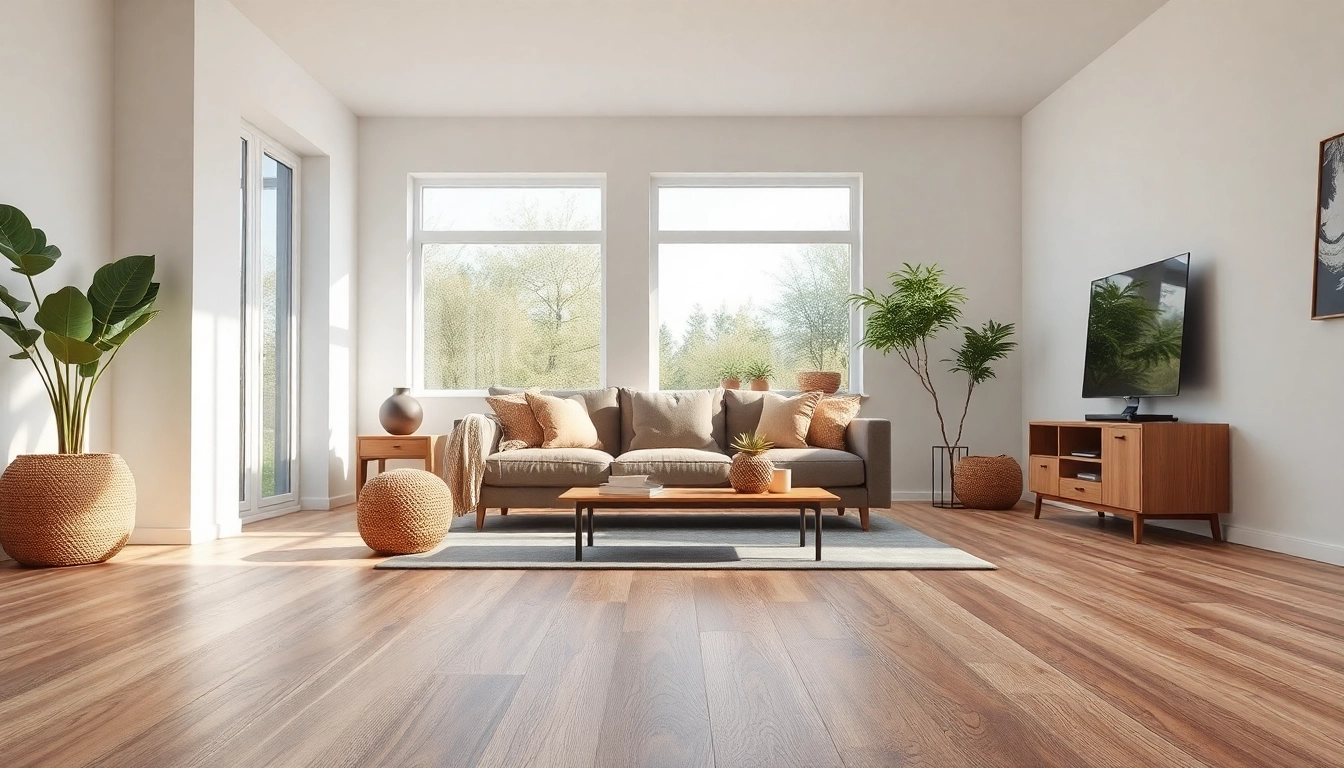
- Wood-Look Vinyl: Provides the rustic charm of hardwood without the high maintenance or cost.
- Stone-Look Vinyl: Offers a polished stone or tile appearance, perfect for contemporary or modern designs.
- Patterned Vinyl: From geometric designs to floral motifs, patterned vinyl can serve as a focal point in any room.
Color Combinations and Patterns
When it comes to colors and patterns, the possibilities are limitless:
- Light Colors: Enhance small spaces to appear larger and brighter.
- Dark Colors: Provide a cozy and intimate atmosphere, which works well in larger areas.
- Mismatched Patterns: Successfully mixing various styles creates a bohemian vibe that's very much in trend.
Functional Spaces and Aesthetic Appeal
Consider how to use cheap vinyl flooring to create functional yet aesthetically pleasing spaces:
- Kitchens: Choose colorful patterned vinyl to enliven the cooking space while ensuring durability against spills and stains.
- Living Rooms: Utilize wood-look vinyl for a warm ambiance, combining it with soft furnishings for cozy comfort.
- Bathrooms: Opt for water-resistant vinyl with a stone-like finish for a sleek and elegant washroom.
FAQs About Cheap Vinyl Flooring
What Are the Durability Factors?
The durability of cheap vinyl flooring depends on thickness and wear layer. Generally, thicker options with higher wear layers last longer, suitable for high-traffic areas.
Can Cheap Vinyl Flooring Be Refinished?
Refinishing vinyl flooring isn’t typically recommended. Instead, replace the planks or tiles if they become worn out or damaged.
Is It Safe for Allergies?
Yes, cheap vinyl flooring is hypoallergenic, resisting dust and allergens, making it an excellent option for allergy sufferers.
How to Choose the Right Thickness?
Select thickness based on the intended use. For residential use, a thickness of 4-7mm is generally recommended for durability and comfort underfoot.
Are There Eco-Friendly Options?
Yes, some manufacturers produce eco-friendly vinyl flooring made from recycled materials. Always check for certifications indicating sustainable practices.