Understanding the Role of New York Construction Manager
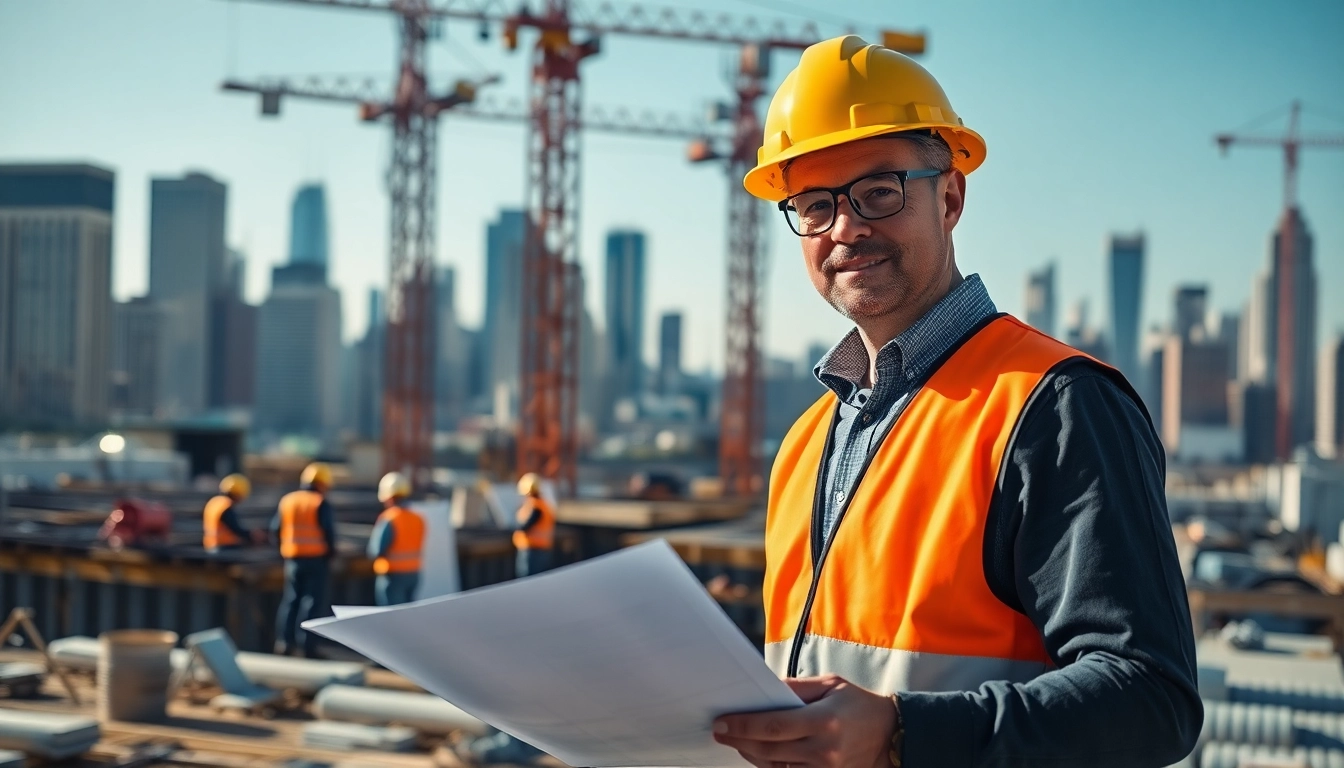
The role of a New York Construction Manager is pivotal in the construction industry, especially in a bustling metropolis like New York City. This professional oversees various aspects of construction projects, ensuring completion within budget, on time, and according to set quality standards. From coordinating with different teams to managing resources effectively, the construction manager plays a crucial role in bringing architectural visions to life.
Key Responsibilities of a Construction Manager
Construction managers in New York undertake numerous responsibilities:
- Project Planning: They develop detailed project plans that outline timelines, budgets, and resources needed.
- Budget Management: Construction managers are responsible for preparing and controlling the budget, monitoring expenditure, and ensuring financial accountability.
- Contracts Oversight: They negotiate contracts with suppliers and subcontractors, ensuring that all terms are favorable to the project goals.
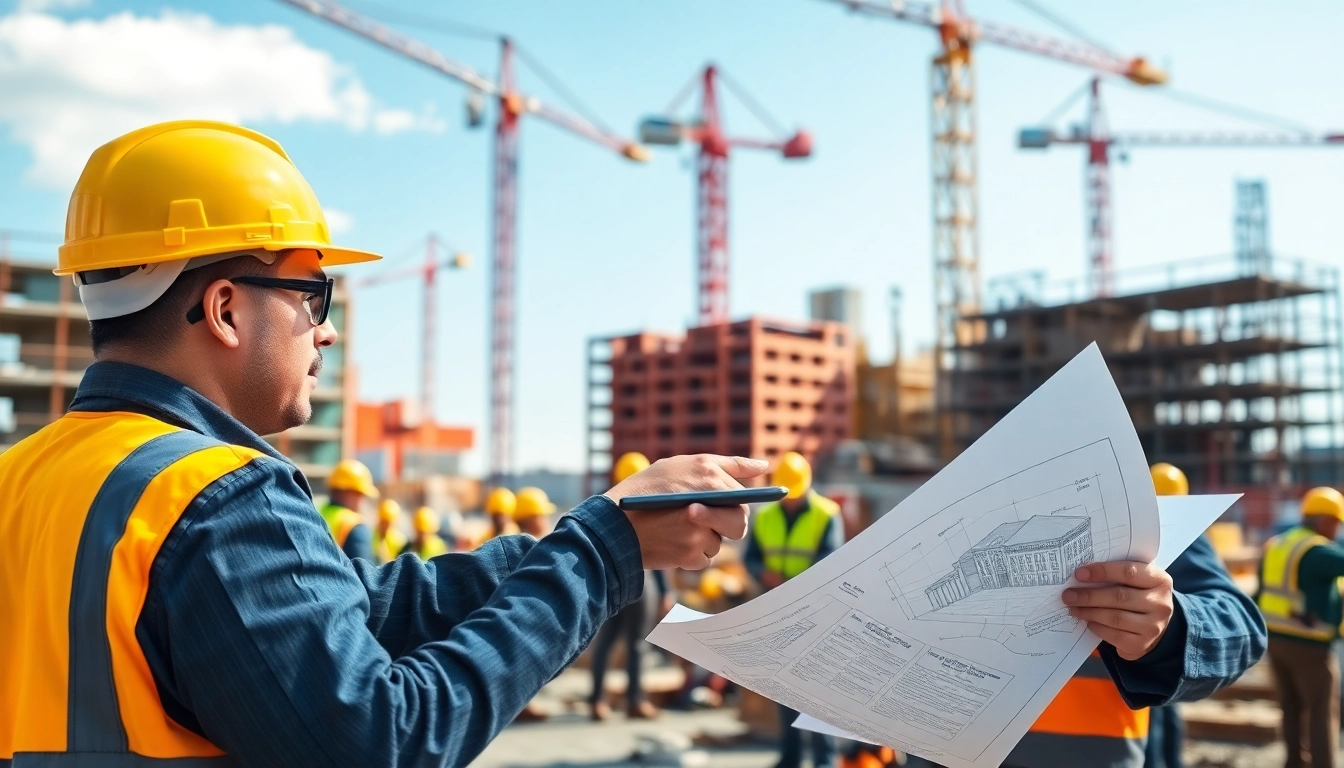
- Site Management: On-site supervision is crucial; managers ensure compliance with safety regulations and quality standards while resolving any issues promptly.
- Stakeholder Communication: They serve as the main point of contact for all stakeholders, including clients, architects, and contractors, facilitating smooth communication.
Skills Needed for Success
A successful New York Construction Manager should possess a blend of hard and soft skills:
- Leadership: The ability to lead diverse teams and influence others is essential.
- Negotiation Skills: Construction managers must negotiate effectively to achieve project objectives.
- Problem-Solving: They must quickly address unexpected challenges that arise during construction.
- Technical Knowledge: A deep understanding of construction methods, materials, and regulations is critical.
- Communication: Strong communication skills help in articulating expectations and instructions clearly.
Importance in the Construction Industry
The construction manager's importance cannot be overstated. They ensure that projects are completed efficiently, mitigating risks associated with delays, cost overruns, and quality issues. By effectively managing resources and facilitating communication, they play a pivotal role in the successful delivery of construction projects, thus contributing to the overall progress of the construction industry in New York.
Best Practices for Project Management
Planning and Budgeting Effectively
Effective planning involves setting realistic timelines, detailed budgeting, and risk management. Creating a contingency budget can safeguard against uncertainties that often arise in construction. Project managers should also utilize project management software that can help in tracking budgets and timelines seamlessly.
Managing Teams and Resources
Successful construction management relies on the effective coordination of diverse teams. Establishing clear roles and responsibilities fosters accountability. Regular team meetings and updates ensure that all team members are aligned with the project's goals, enhancing collaboration and performance.
Ensuring Safety and Compliance
Safety should always be a priority on construction sites. Implementing thorough training programs and regular safety audits can help mitigate risks. Additionally, staying updated with local regulations and compliance requirements will help avoid legal complications.
Technology and Tools for New York Construction Manager
Software Solutions for Tracking Progress
There are numerous software solutions available for construction management, such as project management applications that streamline communication, collaboration, and document sharing. Tools like scheduling software can also assist in maintaining timelines by providing real-time updates.
Utilizing Drones for Site Surveys
Drones have revolutionized site surveying by providing high-resolution aerial imagery that helps construction managers assess work progress and plan accordingly. They also offer a safe way to conduct site inspections without putting team members at risk.
Implementing Building Information Modeling (BIM)
BIM technology enables a construction manager to create and manage digital representations of physical projects. This aids in visualizing the project, improving collaboration, and identifying possible issues before construction begins, thus reducing costly mistakes.
Challenges Faced by New York Construction Manager
Dealing with Delays and Cost Overruns
Construction projects are often susceptible to delays due to various factors such as weather conditions or supply chain disruptions. Implementing buffer times in project schedules and monitoring expenditures closely can help alleviate the impact of these delays.
Navigating Regulatory Hurdles
Understanding and navigating the complex web of regulations and permit requirements in New York can be daunting. Staying informed on local laws and building codes is essential to avoid costly delays and legal complications.
Effective Communication with Stakeholders
Maintaining open lines of communication with stakeholders is critical. Regular updates and proactive problem-solving can help in addressing concerns early, fostering trust and collaboration among all parties involved.
Future Trends in Construction Management
Impact of Sustainability Practices
Sustainability in construction is becoming increasingly important. Incorporating eco-friendly practices like using sustainable materials, energy-efficient designs, and recycling can not only enhance a project’s acceptance but also lead to long-term cost savings.
Adapting to Remote Work Dynamics
The recent shift towards remote work necessitates that construction managers adapt by leveraging digital tools for communication and project management. Embracing technology can help keep all team members engaged and informed despite physical distancing.
Emerging Construction Technologies
Emerging technologies like 3D printing, advanced robotics, and augmented reality are beginning to reshape the construction landscape. Staying abreast of these innovations can give construction managers a competitive edge, enabling them to adopt more efficient and cost-effective methodologies.
Frequently Asked Questions
What qualifications do I need to become a construction manager in New York?
A degree in construction management, civil engineering, or a related field is usually required, along with relevant work experience in the construction industry.
How can I improve my project management skills?
Continuous learning through workshops, certifications, and on-the-job training can significantly improve your project management skills and knowledge.
What software should I use for construction management?
Popular construction management software includes Procore, PlanGrid, and Buildertrend, which offer various features for project tracking and collaboration.
How do I handle a construction delay?
Identify the cause of the delay, communicate with stakeholders, and adjust the project timeline while implementing solutions to mitigate further delays.
What are the key trends in construction management?
Growing trends include sustainability practices, digitalization, remote collaboration, and the integration of new technologies like drones and BIM.