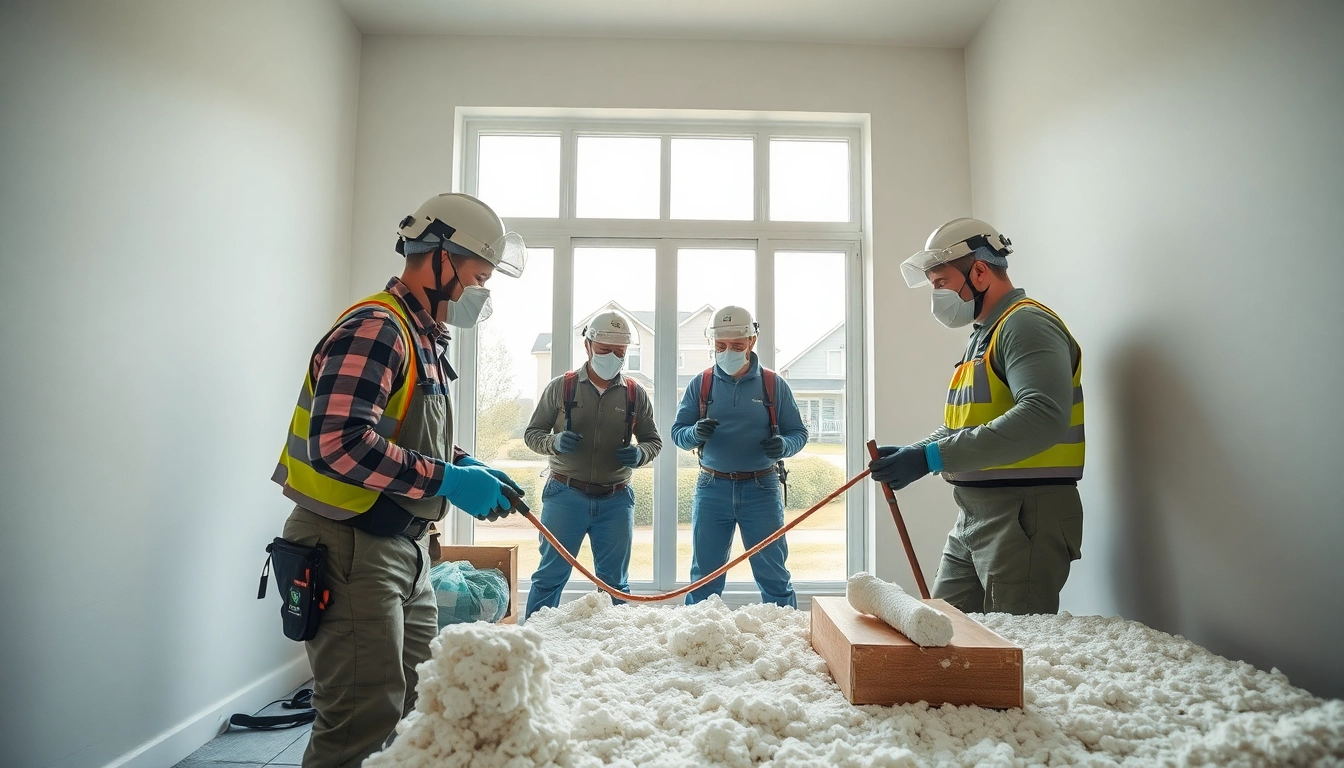
Understanding Spray Foam: Benefits and Risks
What is Spray Foam Insulation?
Spray foam insulation is a popular insulating material that has gained traction in the construction and renovation sectors for its superior thermal performance. Made from a mixture of chemicals, spray foam expands on application, filling gaps and crevices to create a barrier against air leakage. This property makes it particularly effective in enhancing energy efficiency in buildings. The two main types of spray foam are open-cell and closed-cell, each serving different applications and having distinct properties.
Advantages of Spray Foam
The benefits of using spray foam insulation are numerous. Firstly, it significantly improves the energy efficiency of homes, helping to reduce heating and cooling costs. Secondly, it enhances structural integrity by adhering to surfaces and adding stability. Additionally, spray foam can act as a sound barrier, making interiors quieter and more comfortable. Its ability to resist moisture also helps in preventing mold growth, which is crucial for maintaining a healthy living environment. Overall, the combination of these advantages makes spray foam insulation a preferred choice for many homeowners and contractors.
Potential Risks and Concerns
While the advantages of spray foam are significant, it's essential to be aware of potential risks. Incorrect installation can lead to air pockets that diminish insulation effectiveness or create structural issues. Furthermore, some people may experience adverse health effects due to chemical exposure during installation. Proper ventilation and hiring qualified professionals can mitigate these risks. Additionally, the removal of spray foam insulation may become necessary due to several reasons, such as deterioration, improper installation, or health concerns.
Signs You Need Spray Foam Removal West Sussex
Identifying Common Issues
Recognizing when it's time for spray foam removal is crucial for maintaining a safe and comfortable home. Common signs include visible damage to the foam, such as cracking or peeling, which can indicate moisture intrusion or inadequate adhesion. Also, if you notice a persistent musty odor, it may suggest mold growth underneath the foam that necessitates removal. Increased energy bills without apparent reason can also indicate that the insulation is no longer performing as expected, flagging the need for professional evaluation.
When to Seek Professional Assistance
Knowing when to call in the experts is critical. If the spray foam exhibits severe damage or if you suspect health risks associated with its presence, it’s best to consult professionals specializing in spray foam removal West Sussex. Moreover, if DIY removal attempts have failed or if you are uncertain about safety protocols, enlisting experienced contractors can ensure safe and effective removal.
Health and Safety Considerations
Health and safety are paramount when dealing with spray foam insulation. The chemicals found in spray foam can be hazardous if inhaled or if they come into contact with skin. Always ensure proper protective equipment is worn during any removal process. Furthermore, adequate ventilation is crucial to prevent the accumulation of harmful fumes. If you experience any respiratory issues or allergic reactions, seeking immediate medical advice is critical.
The Spray Foam Removal Process
Tools and Equipment Needed
A successful spray foam removal requires specific tools and equipment to ensure safety and efficiency. Essential tools include utility knives, scrapers, and saws for cutting through the foam. Protective gear such as gloves, masks, and goggles is crucial to safeguard against harmful materials. Additionally, effective ventilation equipment can help in managing any fumes released during the process.
Step-by-Step Removal Guide
The removal of spray foam insulation involves several critical steps. Begin by wearing appropriate protective gear. Next, use a utility knife or scraper to cut away the foam insulation from the wall or ceiling, ensuring to work slowly to avoid damaging the underlying structure. It may require multiple passes to completely remove the foam. Once the foam is removed, check for any residual adhesive and carefully clean the surface. Assess the area for damage and prepare for new insulation installation if necessary.
Post-Removal Cleanup Techniques
After the removal of spray foam, thorough cleaning is essential to ensure the area is safe for re-insulation or renovation. Begin by vacuuming the area to remove fine particles and dust. A damp cloth can help to capture any remaining debris. Inspect the surfaces for moisture or damage and take corrective measures as needed. Finally, allow the area to dry properly before considering any new insulation installation.
Choosing the Right Professionals for Spray Foam Removal
What to Look for in a Contractor
Selecting the right contractor for spray foam removal involves research and careful consideration. Look for professionals with specific experience in insulation removal and a solid track record of customer satisfaction. Check for proper licensing and insurance, and consider reviews and testimonials from previous clients. A trustworthy contractor should also offer comprehensive consultations and realistic timelines for the project's completion.
Questions to Ask Before Hiring
Before hiring a contractor, it's essential to ask the right questions. Inquire about their experience and the methods they utilize for removal. Ask for references from previous clients and seek clarity on the estimated cost and timeline. Additionally, confirm that they adhere to safety standards and regulations to ensure a safe working environment.
Understanding Pricing and Estimates
The cost of spray foam removal can vary significantly based on several factors, including the extent of the installation and the complexity of the removal process. Generally, pricing will include labor, disposal of materials, and any necessary repairs post-removal. Obtain detailed estimates from different contractors to ensure you understand what is included and to help in making the best financial decision.
FAQs About Spray Foam Removal West Sussex
How Long Does the Removal Process Take?
The duration of the removal process can vary based on the size and complexity of the installation, usually taking from a few hours to several days.
Is Spray Foam Removal Safe?
Yes, when conducted by trained professionals following safety protocols, spray foam removal is safe. Proper protective gear and ventilation are crucial.
Can I Remove Spray Foam Myself?
While DIY removal is possible, it is not recommended due to potential health risks and structural damage. Hiring professionals is often safer and more effective.
What Happens After Removal?
Post-removal, it is essential to clean the area and inspect for any damage. You may also consider new insulation installation based on your needs.
How Often Should I Check My Insulation?
It’s advisable to check your insulation at least once a year or after severe weather events to ensure it remains effective and free of damage.