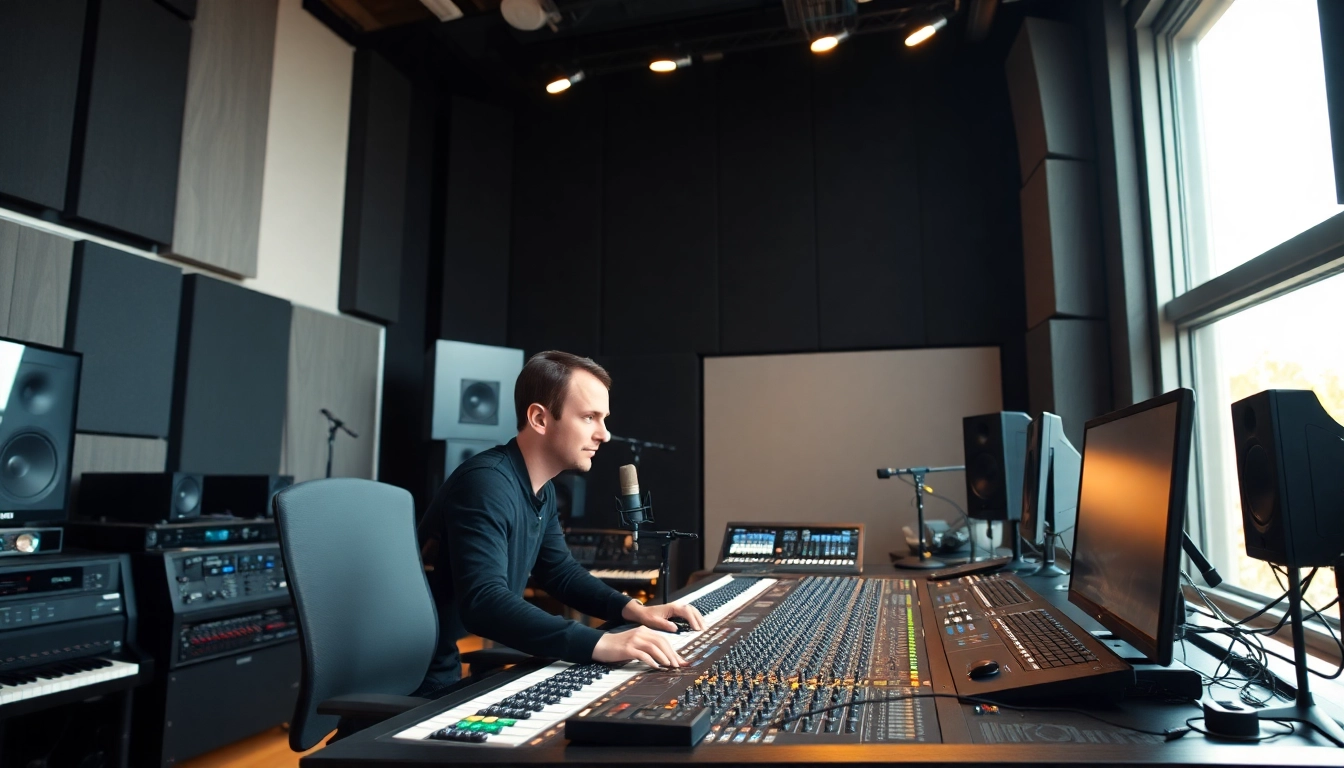
Understanding Online Audio Mastering
The Basics of Audio Mastering
Audio mastering is the final step in the music production process, where engineers refine their tracks to achieve a polished sound that is ready for distribution. This process involves adjusting the tonal balance, enhancing the clarity, and ensuring the consistency of the music across various playback systems. In essence, mastering transforms a mix into a final product that resonates well with listeners. Mastering can be done in a physical studio or through digital platforms, leading to the rise of online audio mastering, which allows for convenient access to professional-level services regardless of location.
Importance of Online Audio Mastering
In today’s digital age, the significance of online audio mastering cannot be understated. The quality of audio music can directly impact listener engagement and overall success in the industry. Here’s why online audio mastering is essential:
- Global Accessibility: Online services connect artists to mastering engineers worldwide, eliminating geographical barriers.
- Cost-Effective Solutions: Many online platforms offer competitive pricing, making professional mastering accessible to independent artists.
- Faster Turnaround: Digital submissions and workflow optimizations can drastically reduce the time from submission to delivery.
- Varied Options: Artists can choose from multiple service providers, comparing portfolios, techniques, and reviews easily.
When to Choose Online Audio Mastering
Understanding when to opt for online audio mastering is crucial for musicians and producers alike. Consider online audio mastering when:
- You encounter limitations in your audio mixing skills and require professional input.
- You seek a quick turnaround for your latest tracks without compromising quality.
- Your project entails significant investments in time and money that deserve a professional finish.
- You want to leverage international talents to achieve a distinct sound that aligns with global trends.
Key Components of the Mastering Process
Essential Tools for Online Audio Mastering
The technology behind online audio mastering is sophisticated and specialized. Key tools include:
- Equalizers: These allow engineers to adjust frequency balances, enhancing specific elements of the track.
- Compressors: Used to control audio levels, compressing the dynamics for a more cohesive sound.
- Limiters: Essential for maximizing loudness without distortion, ensuring the track is radio-ready.
- Reverb and Delay Plugins: These can add depth and space, contributing to a polished sound.
Common Techniques in Online Audio Mastering
Mastering engineers utilize various techniques to optimize tracks, some of which include:
- Mid/Side Processing: Separates mid and side content for better stereo enhancement.
- Level Matching: Ensures tracks are consistent in loudness for better playback across different platforms.
- Automation: Fine-tuning specific elements dynamically to improve listening experiences.
Creating a Consistent Sound
A critical aspect of mastering is maintaining consistency across an album or EP. This includes:
- Cross-referencing tracks for even tonal balance.
- Ensuring similar loudness levels throughout.
- Applying similar processing techniques while allowing for unique character across differing songs.
Choosing the Right Online Audio Mastering Service
Evaluating Service Providers
When selecting an online audio mastering service, consider the following factors:
- Portfolio: Review previous works to understand the quality and style of the engineer.
- Technology: Assess whether the service uses state-of-the-art tools and techniques.
- Turnaround Time: Check their promised delivery times to meet your schedule.
Comparing Pricing Options
Pricing for online audio mastering varies widely depending on the service quality and reputation. Key points to consider include:
- Basic packages that can provide good results for standalone tracks.
- Higher-tier services often include additional revisions and consultations.
- Investigate whether there are additional fees for multiple tracks or specific formats.
Reading Customer Reviews
Prior to choosing a service, examine customer reviews and testimonials. Look for insights on:
- Overall customer satisfaction and repeat use.
- Response time and customer service quality.
- Specific technical feedback highlighting strengths and weaknesses of the mastering.
Best Practices for Online Audio Mastering
Preparing Your Tracks for Mastering
Prior to sending off tracks to an online mastering engineer, thorough preparation is essential. Consider the following:
- Ensure your mix is clear and balanced without any overloaded frequencies.
- Leave headroom (typically -6 dB) in your tracks to allow the mastering process to breathe without distortion.
- Provide notes regarding creative intent, genre style, and reference tracks that inspire your sound.
A/B Testing Your Mastered Tracks
A/B testing is a critical listening technique where you compare your mastered track against references. Tips include:
- Use the same playback system for consistent evaluation.
- Take notes on differences in dynamics, tonal balance, and overall impact.
- Seek feedback from trusted peers or mentors with a discerning ear.
Understanding Formats and Delivery
When mastering audio, knowing the delivery formats is vital. Familiarize yourself with:
- Common file formats (WAV, AIFF, MP3) and their applications.
- Sample rates and bit depths to ensure high-quality outputs.
- Final delivery requirements for different platforms (streaming, CD, and vinyl).
FAQs About Online Audio Mastering
What is online audio mastering?
Online audio mastering is the process of preparing and transferring recorded audio from a source to a data storage device, ensuring high-quality sound for distribution through web-based services.
How long does the mastering process take?
The mastering process can take anywhere from a few hours to several days, depending on the service provider and complexity of the project's requirements.
Can I master my own tracks online?
Yes, many tools are available for self-mastering, but professional online mastering services often yield superior results due to advanced techniques and equipment.
What formats should I submit for mastering?
Typically, you should submit high-resolution WAV or AIFF files. It's advisable to check with the mastering service for preferred formats.
Are there differences between online and traditional mastering?
Yes, online mastering offers convenience and often lower costs, while traditional mastering provides face-to-face consultation with trained engineers in a controlled environment.