Understanding Vediography: An Overview
In the rapidly evolving world of visual storytelling, Vediography has emerged as a distinctive art form that blends elements of filmmaking and documentary creation. This comprehensive guide aims to uncover the essence of Vediography, diving deep into its importance, applications, and unique qualities that set it apart from traditional videography.
Definition and Importance of Vediography
Vediography can be defined as a specialized approach to video production that focuses on creating compelling narratives through motion imagery. Unlike traditional videography, which may prioritize technical aspects or momentary captures, Vediography emphasizes storytelling, emotion, and engagement. The importance of Vediography extends beyond mere entertainment; it serves to document moments, convey messages, and preserve memories that resonate with audiences on a deeper level. The ability to evoke emotions through carefully curated visuals and sound has made Vediography a valuable tool across diverse fields, including weddings, corporate events, documentaries, and more.
Key Differences Between Vediography and Traditional Videography
While both Vediography and traditional videography share similar tools and methods, their objectives and techniques differ significantly:
- Focus on Narrative: Vediography prioritizes storytelling and emotional connection, while traditional videography often centers on capturing events as they happen.
- Artistic Approach: Vediographers engage in a more artistic process, employing creative techniques such as visual metaphors, thematic compositions, and nonlinear editing. This contrasts with the more straightforward, documentary-style presentations typical in traditional videography.
- Production Length: Vediography projects can involve extended planning, shooting, and editing times, allowing for more elaborate storytelling structures.
- Audience Engagement: Vediography seeks not just to inform, but to engage the audience emotionally and intellectually, often crafting a richer experience compared to traditional video outputs.
Applications of Vediography in Various Events
The adaptability of Vediography allows it to shine across numerous applications, enhancing the narrative quality of various events:
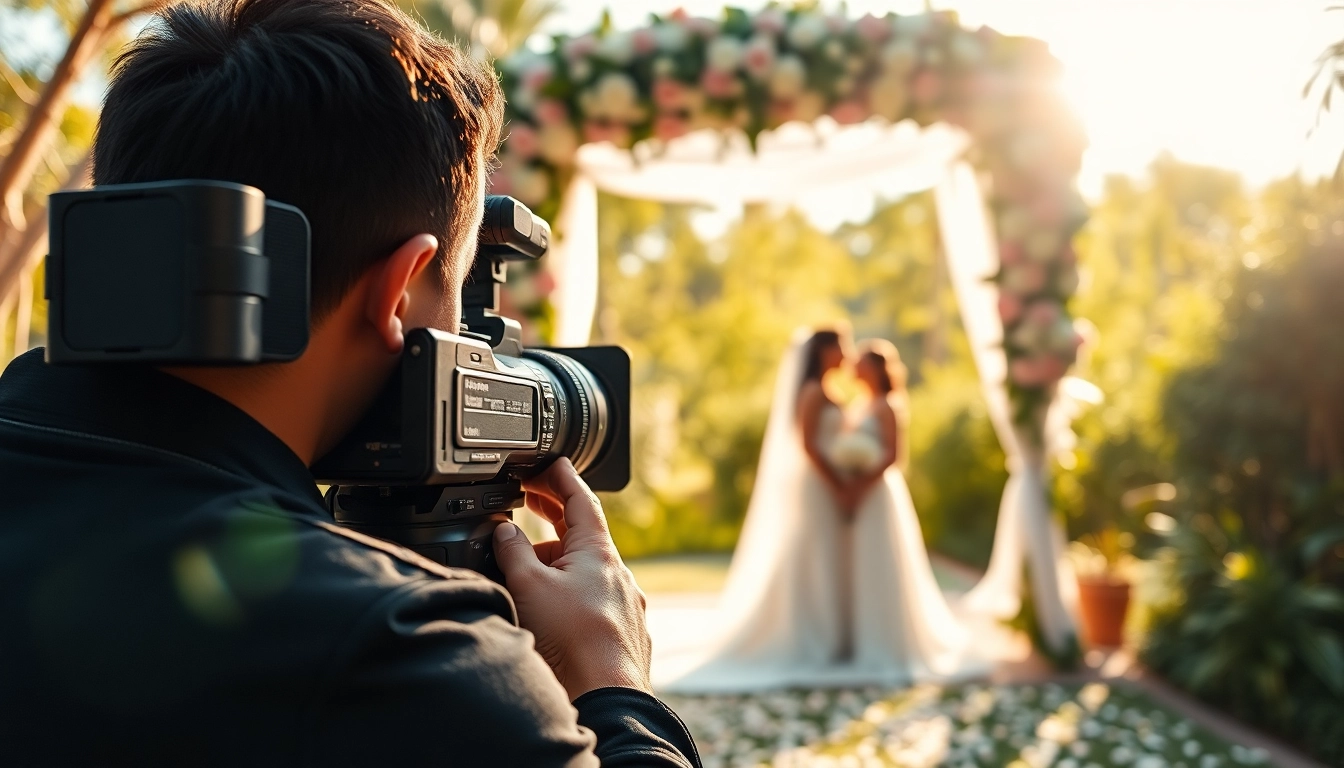
- Weddings: Vediographers create touching love stories, blending interviews, visuals, and heartfelt moments in a cohesive narrative.
- Corporate Events: Utilizing Vediography, businesses can convey their brand’s ethos and mission through engaging promotional videos and event highlights.
- Documentaries: Vediographic techniques can capture complex social issues, narrate personal stories, or highlight cultural phenomena in a more profound way.
- Educational Content: Creating tutorial videos and educational documentaries can benefit from Vediography's narrative approach, promoting better understanding and retention.
Essential Equipment for Vediography
The effective execution of Vediography relies heavily on the right equipment. Understanding the essential tools can significantly enhance the quality of work produced:
Recommended Cameras and Lenses
Selecting the right camera is crucial for capturing stunning visual narratives:
- Camera Bodies: DSLRs and mirrorless cameras from brands like Canon, Nikon, and Sony, known for their high sensor quality and adaptability to various lenses, are popular choices among Vediographers.
- Lenses: A combination of prime lenses for shallow depth of field and zoom lenses for versatility can cover most scenarios. A wide-angle lens, for instance, works well for establishing location, while a 50mm lens excels in portraiture.
Gear for Optimal Sound Quality
Sound quality is equally as important as visual quality in Vediography. Here are some essential audio tools:
- Microphones: Invest in a high-quality shotgun microphone for directional sound and lavalier mics for capturing dialogue unobtrusively.
- Audio Recorders: Portable audio recorders offer flexibility, allowing you to capture high-quality sound independently from your camera.
- Headphones: Use closed-back headphones to monitor audio during recording sessions, ensuring clarity and reducing the risk of noise interference.
Editing Software: Best Options for Vediographers
Post-production is where Vediography truly comes alive. Selecting optimal editing software is essential:
- Adobe Premiere Pro: Renowned for versatility and powerful editing tools, Premiere Pro is ideal for complex video projects, allowing detailed adjustments to color and audio.
- Final Cut Pro: This Mac-exclusive software offers user-friendly features and high-performance capabilities, perfect for streamlined editing workflows.
- DaVinci Resolve: With its top-tier color correction and audio post-production capabilities, Resolve suits Vediographers looking to push the visual aesthetics of their work.
Techniques to Master Vediography
Technical knowledge is instrumental in Vediography, but creative techniques elevate the narrative quality. Here’s how to refine your skills:
Composition: Framing Your Shots Effectively
Understanding composition is fundamental in crafting visually appealing sequences:
- Rule of Thirds: This classic method divides the frame into nine equal parts, guiding the placement of subjects for balanced visuals.
- Leading Lines: Use natural lines within your environment to draw the viewer’s eye toward your focal point, effectively guiding their attention.
- Frames Within Frames: Incorporating elements that frame the subject can add depth and context, creating visually captivating shots.
Lighting Techniques for Captivating Footage
Excellent lighting is pivotal for setting the mood and tone of your Vediography:
- Natural Light: Utilize golden hour sunlight for a soft, flattering illumination, especially in outdoor settings.
- Artificial Lighting: Invest in portable LED lights or softboxes to control the environment, particularly in low-light conditions or indoors.
- Lighting Techniques: Understanding three-point lighting—key light, fill light, and backlight—can enhance the depth and character of your subjects.
Creating Emotional Narratives Through Editing
Edit with intention to evoke emotions in your audience:
- Music Selection: The right soundtrack can evoke specific feelings, so choose music that enhances the narrative arc without overshadowing the visuals.
- Cutting Techniques: Use cutaways to establish context, jump cuts for energy, and slow motion to emphasize emotional highs.
- Color Grading: Adjusting the colors and tones can completely change the feel of a video. Warmer tones may evoke happiness, while cooler tones can convey sadness.
Challenges in Vediography and Solutions
With any art form, challenges are inevitable. However, foresight and preparedness can mitigate many common issues:
Handling Unpredictable Weather Conditions
Weather can significantly impact outdoor shoots. Here are some strategies to tackle this challenge:
- Backup Plans: Always have alternative locations or indoor setups ready in case of inclement weather.
- Weatherproof Equipment: Invest in weather-resistant camera protection and rain covers to safeguard your gear from unexpected downpours.
- Flexibility: Stay flexible with your schedule; rescheduling to a better weather day often yields superior results.
Dealing with Limited Timeframes During Events
Time constraints often plague event Vediographers. Consider the following solutions:
- Pre-Planning: Arranging a shot list and route can maximize efficiency during time-sensitive events.
- Working in Teams: Having a second shooter can cover multiple angles and moments simultaneously, capturing richer narratives.
- Prioritize key moments: Focus on the essential highlights and leave less critical events for follow-up shots if time is too limited.
Maintaining Equipment and Backup Solutions
Proper maintenance and backup solutions are crucial in ensuring a smooth Vediography process:
- Regular Check-ups: Schedule periodic inspections and cleaning for all gear to avoid malfunctions during shoots.
- Backup Drives: Always carry external hard drives or cloud storage for redundant backups of your footage immediately after shooting.
- Insurance: Invest in insurance for your gear to cover potential losses or damages during shoots.
Measuring the Success of Your Vediography
Success in Vediography can be gauged through various metrics and feedback mechanisms:
Client Feedback and Satisfaction Metrics
Your clients' perceptions signal the effectiveness of your Vediography:
- Surveys: Send post-project surveys to gather insights about the client's experience and what they valued most.
- Testimonial Collection: Encourage satisfied clients to provide testimonials; these can greatly enhance your portfolio and attract future clients.
- Referrals: Word-of-mouth referrals often indicate a satisfied client base, so track how many new clients come through recommendations.
Analyzing Viewer Engagement Statistics
Understanding viewer engagement can help assess the impact of your work:
- View Counts: Analyzing view counts on platforms where you showcase your Vediography can help gauge interest.
- Engagement Metrics: Assess likes, shares, and comments, as these indicate how viewers are connecting with your story.
- Retention Rates: Understanding how long people watch your videos before clicking away can pinpoint which narratives resonate the most.
Best Practices for Showcasing Your Work Online
A compelling online presence is vital for attracting clients and showcasing your talents. Consider these practices:
- Portfolio Websites: Invest time in building a clean, visually appealing portfolio website that highlights your best work and client testimonials.
- Social Media: Utilize platforms like Instagram, Vimeo, or YouTube to showcase short clips and teasers of your projects, enhancing visibility.
- Video Marketing: Craft engaging promotional videos for your services to attract potential clients, showcasing your unique style and approach.
FAQs About Vediography
What is Vediography?
Vediography is a specialized form of video production that focuses on storytelling through visual narratives, combining artistic techniques with emotional engagement.
How is Vediography different from regular videography?
Vediography emphasizes emotional narratives and artistry, while traditional videography often captures events as they unfold without a strong focus on story integration.
What equipment do I need for Vediography?
Essential equipment includes high-quality cameras, versatile lenses, good audio recording devices, and professional editing software to create polished outcomes.
Can I learn Vediography on my own?
Yes! Many resources, including online tutorials and courses, can help you learn the techniques and skills needed for Vediography at your own pace.
How do I measure the success of my Vediography projects?
Success can be measured through client feedback, viewer engagement metrics, and the effectiveness of showcasing your work through online platforms.