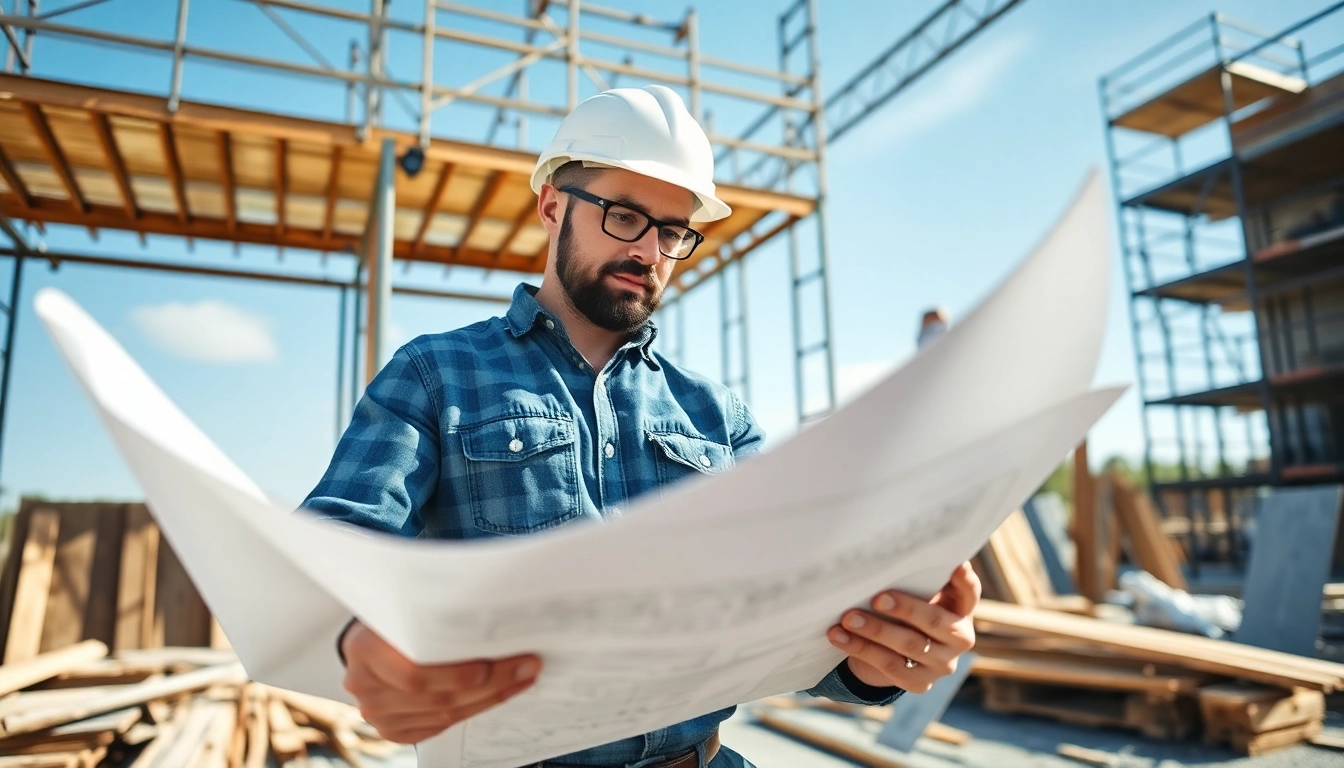
Introduction to New York General Contractor Services
When it comes to construction and renovation projects in the bustling metropolis of New York City, hiring a New York General Contractor is essential. These professionals play a pivotal role in transforming ideas into tangible structures, whether residential or commercial. As the city continues to grow and evolve, so too do the complexities of its construction landscape. This comprehensive guide will delve into what a New York General Contractor does, the services they offer, and how to select the right one for your project.
What to Expect from a New York General Contractor
A New York General Contractor oversees the entirety of a construction project. From securing permits to managing subcontractors, they act as a project manager, ensuring every aspect runs smoothly. Clients can expect detailed planning, regular updates, and expertise in local building codes and regulations. This level of involvement guarantees that the project aligns with predefined goals such as budget, timeline, and quality standards.
Importance of Hiring a Qualified Contractor
The landscape of construction in New York is rife with challenges, making the need for a qualified contractor paramount. Qualified contractors bring experience, knowledge, and established relationships with suppliers and inspectors that can expedite processes. They are better equipped to anticipate challenges, manage risks, and navigate the intricacies of zoning laws and building codes that are unique to New York City.
Unique Challenges in New York Construction
Construction in New York City comes with its own set of hurdles. High population density means projects often encounter space constraints. Additionally, regulations can vary significantly across neighborhoods, and the necessity to comply with various building codes can complicate even the simplest tasks. Moreover, logistical issues, such as material transportation and storage space, add to the complexity of any construction project in the city.
Types of Services Offered by New York General Contractors
Residential Construction Services
Residential services encompass a broad range of activities including new home construction, renovations, and expansions. Whether it's building a luxury high-rise or a cozy brownstone, a New York General Contractor understands the nuances of residential needs. They also manage the procurement of materials, schedule inspections, and ensure that the project adheres to the client’s vision.
Commercial Renovation Expertise
For commercial projects, general contractors are instrumental in renovations and fit-outs that meet industry standards and improve functionality. They possess the skills necessary to work within time constraints often set by businesses aiming to minimize downtime. With project management experience, they effectively coordinate various teams including electricians, plumbers, and architects to achieve the desired outcome.
Specialized Construction Projects
Some projects may require specialized skills, such as green building practices or adaptive reuse of spaces. A competent contractor will not only understand these niche areas but also work closely with clients to create sustainable and innovative solutions. Their insight helps transform potential challenges into unique opportunities for architectural and environmental excellence.
How to Choose the Right New York General Contractor
Assessing Credentials and Experience
When selecting a general contractor, assess their credentials, licenses, and insurance. Make sure they are registered with the necessary New York regulatory bodies. Reviewing their portfolio can also provide insight into their experience, particularly with projects similar to yours. Length of operation in the local market can indicate reliability and expertise.
The Importance of Client References
Never underestimate the power of client references. Communication with previous clients can uncover insights into the contractor's reliability, quality of work, and communication practices. Ask for a diverse range of references to obtain a well-rounded view of the contractor’s performance on various project types.
Understanding Quotes and Price Structures
Quotes can vary significantly based on project scope, materials, and labor. It’s vital to understand a contractor’s pricing structure—whether they charge a flat fee, hourly rates, or a percentage of the total costs. Don’t hesitate to ask for a detailed breakdown of the quote to ensure transparency and avoid any hidden fees down the line.
Best Practices for Working with a New York General Contractor
Effective Communication for Successful Projects
Building a successful relationship with your general contractor starts with effective communication. Share your vision clearly and ensure that your contractor understands your expectations. Regular check-ins and updates are crucial for keeping the project on track and addressing issues as they arise.
Managing Timelines and Milestones
Setting realistic timelines and milestones is vital for project management. Work with your contractor to identify key phases of the project and establish deadlines. Regularly review progress against these milestones to ensure the project stays on schedule and can adapt to unforeseen challenges as necessary.
Understanding Project Management Techniques
Understanding basic project management techniques can also enhance your interaction with your general contractor. Familiarize yourself with terms like scope management, critical path analysis, and resource leveling. This knowledge empowers you to engage actively in the process and understand where delays may occur and how to mitigate them.
FAQs about New York General Contractor Services
What distinguishes a New York General Contractor from others?
A New York General Contractor specializes in navigating the unique challenges of NYC construction, including local regulations, permit processes, and the distinct architectural styles prevalent in the city.
How can I verify a contractor's credentials?
Check with the New York Department of Buildings and review their licensing status. Also, ask to see proof of insurance and any trade certifications they may have.
What should I include in my construction contract?
Your contract should outline the scope of work, timelines, payment schedules, and warranties. Don’t forget to specify terms for handling delays, changes, and penalties for missed deadlines.
How can I manage project delays?
Managing delays requires proactive communication with your contractor. Regular meetings can help identify issues early and develop mitigation plans to minimize impacts on your timeline.
What are common misconceptions about contractors?
A common misconception is that all contractors are the same. In reality, expertise, reliability, and local knowledge vary widely, making it crucial to do your research before hiring.